EMS STAR logo EMS STAR

Programs

Emergency medical training for real response conditions

EMS STAR programs are designed to strengthen technical skill, clinical judgment, and operational confidence through focused instruction and practical repetition.

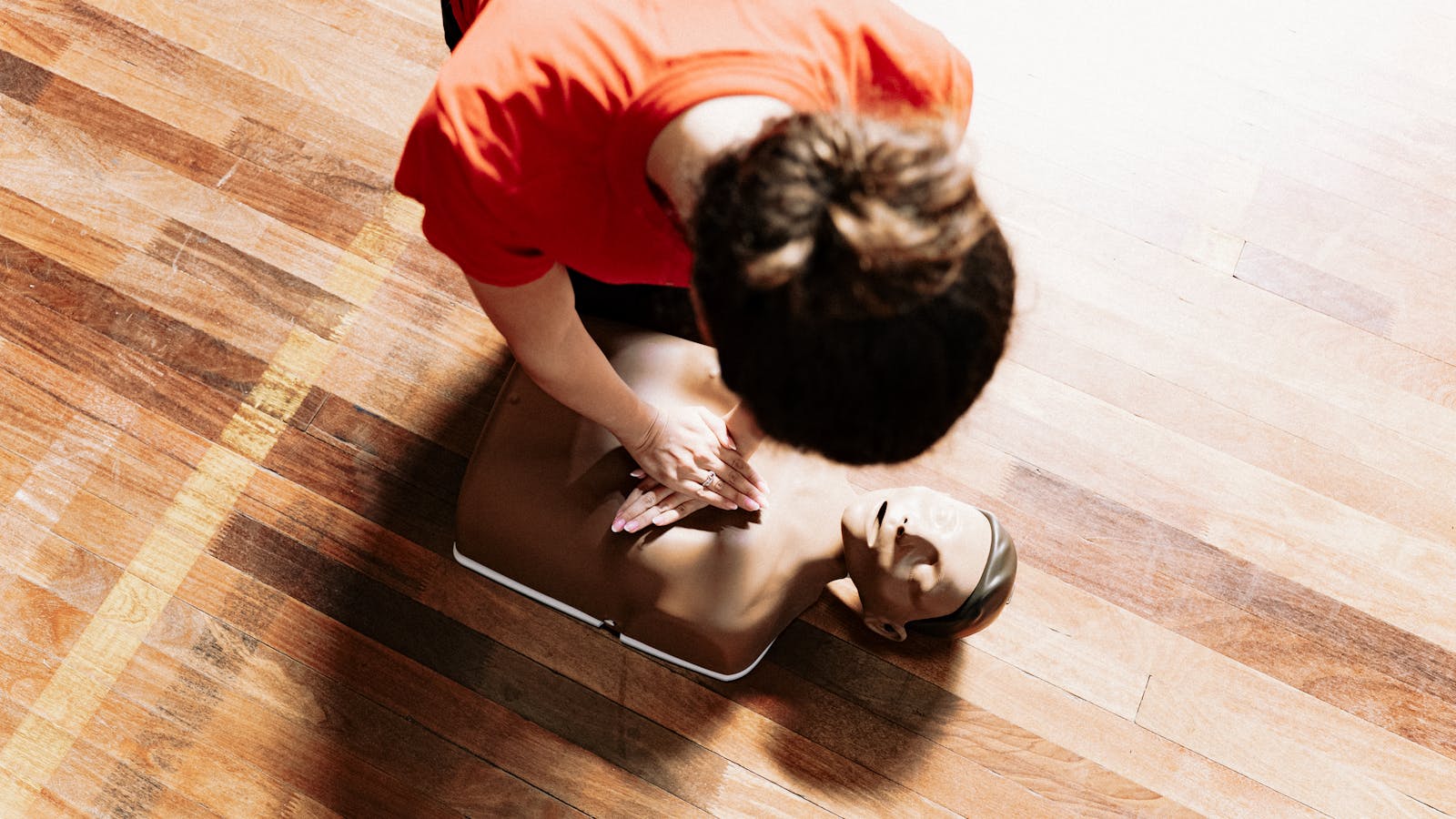
Small-group CPR instruction during a basic life support training class.

Critical intervention fundamentals

Basic Life Support Continuing Education Course

Designed for healthcare professionals and personnel who need to perform CPR and other core cardiovascular life support skills with confidence.

Each year, more than 350,000 out-of-hospital cardiac arrests occur in the United States. Early intervention saves lives. This BLS course trains participants to promptly recognize life-threatening emergencies, deliver high-quality chest compressions, provide appropriate ventilations, and support the early use of an automated external defibrillator.

View details

Key outcomes

Recognition of life-threatening emergencies
High-quality CPR for adults, children, and infants
Ventilation and team-based response techniques
Safe, timely AED integration

EMS trainees reviewing a tablet inside an ambulance during refresher instruction.

Accelerated recertification support

EMT Refresher Continuing Education Course

An intensive three-day refresher that combines traditional EMT core material with practical instruction led by certified EMS professionals.

The EMT Refresher course is structured for professionals who need a focused reset on essential field knowledge, updated clinical decision-making, and hands-on practice before returning to the demands of patient care.

View details

Key outcomes

Duration: 3 days
Instruction led by certified EMS professionals
30 continuing education hours
Practical review with scenario-based reinforcement
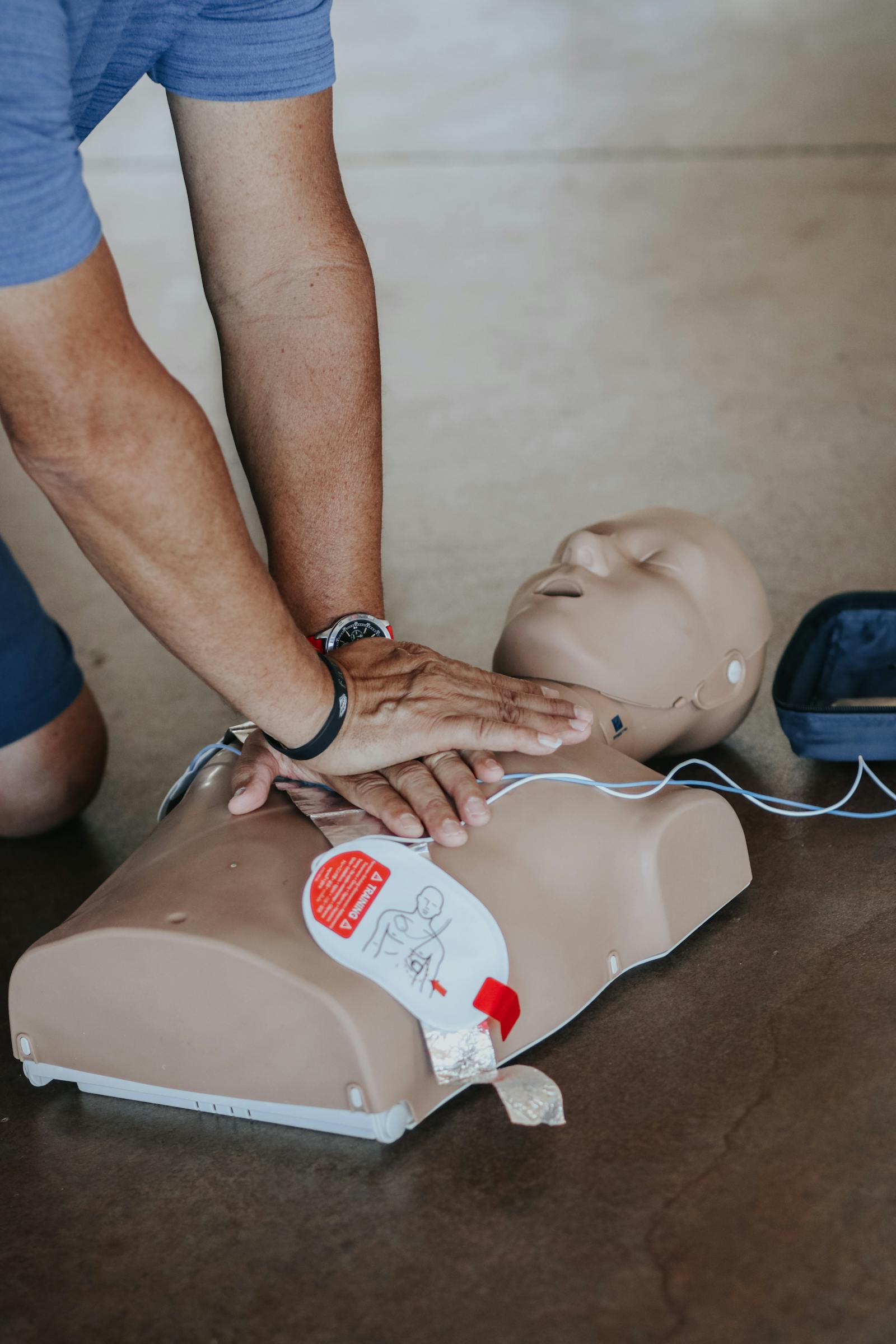
Hands performing chest compressions on a CPR mannequin with AED pads attached.

Hands-on emergency response training

CPR / AED Course

Prepares participants to respond to breathing and cardiac emergencies through hands-on skills training and safe AED use.

Participants learn the knowledge and practical steps required to provide care during sudden cardiac arrest, including adult, child, and infant response considerations.

View details

Key outcomes

Adult CPR / AED
Child CPR / AED
Infant CPR / AED
Response sequencing, scene safety, and activation protocols
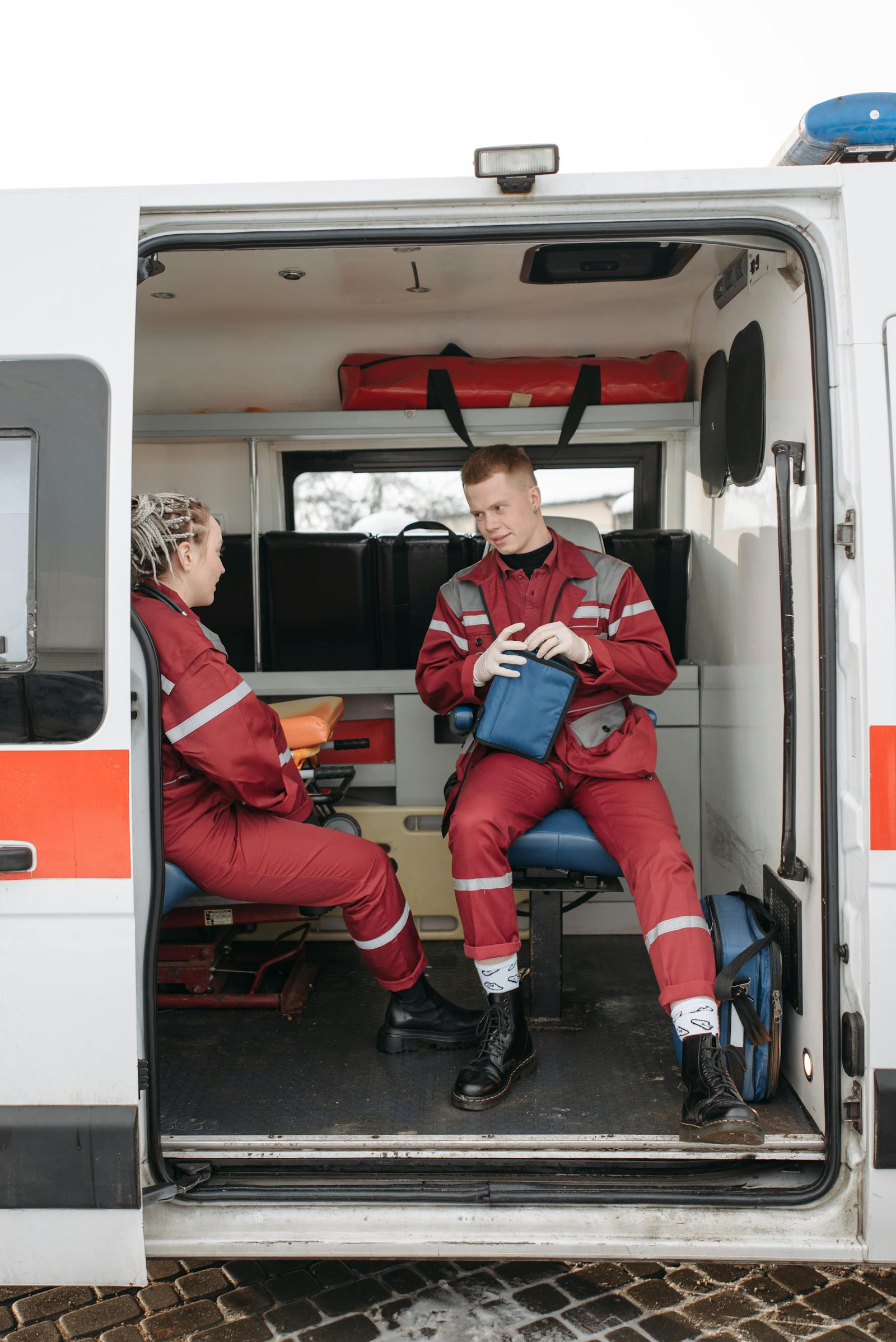
Two paramedics conferring inside an ambulance during advanced emergency training.

High-acuity resuscitation leadership

Advanced Cardiovascular Life Support

An advanced course for clinicians and emergency responders who must manage cardiovascular emergencies, lead resuscitation teams, and apply time-critical interventions with precision.

This ACLS-focused training strengthens recognition of acute coronary syndromes, stroke, bradycardia, tachycardia, and cardiac arrest rhythms while reinforcing team communication, post-arrest priorities, and structured decision-making under pressure.

View details

Key outcomes

Cardiac rhythm recognition and algorithm application
Resuscitation team leadership and communication
Airway, pharmacology, and post-arrest priorities
Scenario-based megacode practice
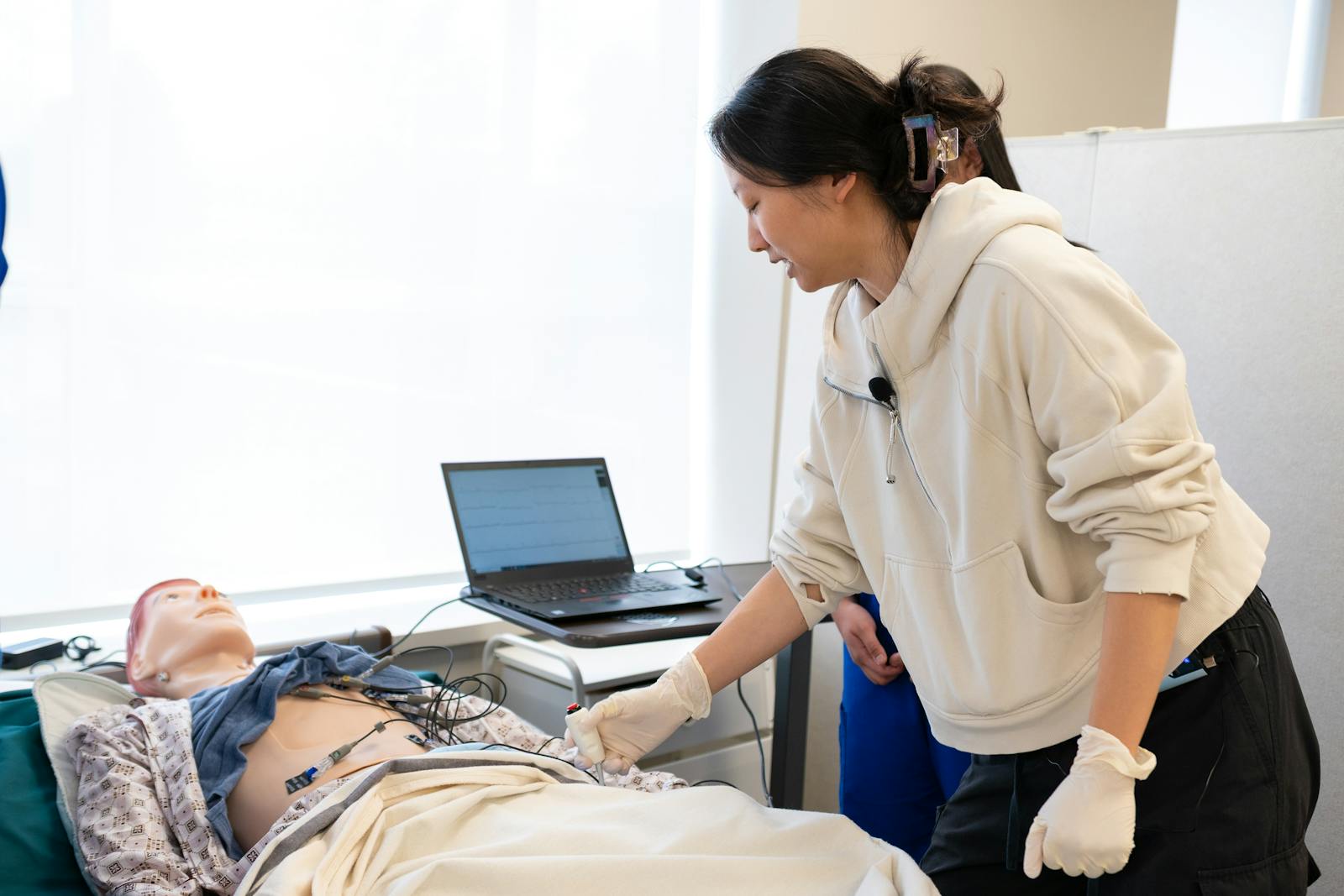
Clinical student practicing assessment skills on a simulation patient in a training room.

Critical pediatric response preparedness

Pediatric Advanced Emergency Care

Designed for responders and healthcare professionals who need stronger assessment, stabilization, and intervention skills for pediatric emergencies.

The course emphasizes pediatric assessment, respiratory compromise, shock, seizures, cardiac emergencies, and family-centered communication so providers can respond to high-stress pediatric events with better structure and confidence.

View details

Key outcomes

Pediatric assessment triangle and early recognition
Respiratory and circulatory emergency management
Medication, dosing, and escalation awareness
Scenario drills for infants and children
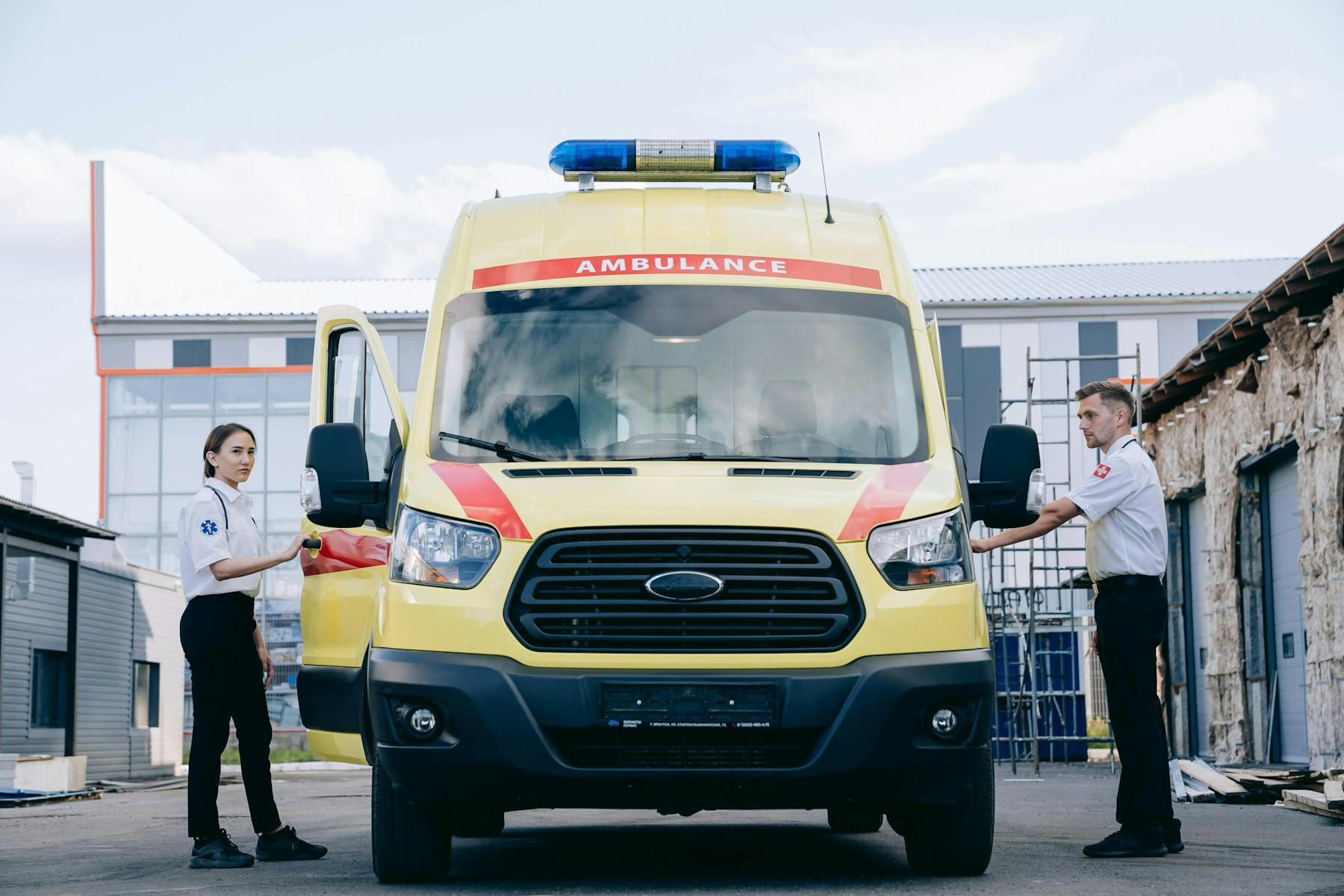
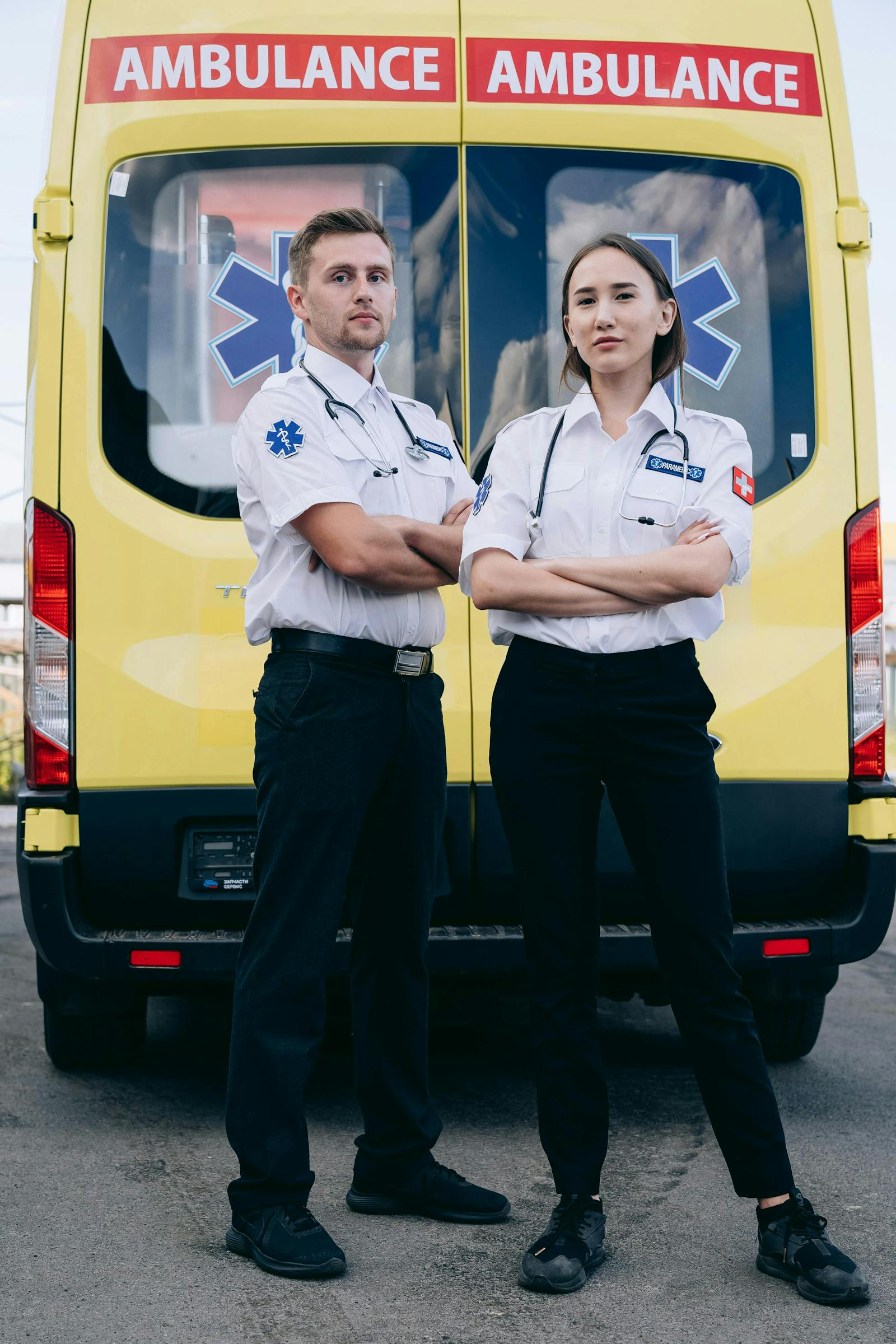
Paramedics positioned at a yellow ambulance during a response-readiness drill.

Scene control and injury management

Trauma Response and Patient Extrication

A practical trauma course focused on rapid assessment, hemorrhage control, spinal considerations, packaging, and coordinated patient extrication.

Built for real-world rescue environments, this program reinforces trauma priorities from initial scene size-up through movement, immobilization strategy, and transfer of care. Students train in realistic scenarios where speed must be balanced with technical accuracy.

View details

Key outcomes

Primary trauma survey and critical injury recognition
Bleeding control and shock management
Extrication coordination and patient movement
Team-based rescue scenarios
Responder reviewing operational information on a tablet inside an ambulance.

Operational clarity under pressure

Emergency Medical Dispatch and Communications

Prepares personnel to handle emergency call intake, prioritization, and field communications with discipline, accuracy, and calm command presence.

This course focuses on structured call processing, resource prioritization, radio communication standards, pre-arrival instruction awareness, and the documentation habits required to support safe EMS operations.

View details

Key outcomes

Call triage and prioritization workflows
Professional radio and incident communications
Documentation accuracy and handoff quality
Communication drills for high-stress events
Two uniformed responders staged in front of an ambulance during coordinated operations training.

Multi-patient operational readiness

Mass Casualty Incident Preparedness

A preparedness course for responders, supervisors, and support personnel who must operate effectively during large-scale incidents with limited resources.

Participants train on triage, command structure, treatment area organization, resource allocation, and interagency coordination so teams can maintain control during incidents involving multiple patients and rapidly changing risk.

View details

Key outcomes

START-style triage and patient flow principles
Incident command support and role clarity
Resource management during surge conditions
Tabletop and practical MCI simulations
Medical trainee working through patient-monitoring and simulation equipment in a skills lab.

Foundational and advanced airway skills

Airway Management and Oxygen Therapy

Focused practical instruction in airway assessment, oxygen delivery, ventilation support, and escalation strategies for respiratory emergencies.

Students develop stronger performance in airway opening techniques, suction, adjunct use, bag-valve-mask ventilation, oxygen delivery devices, and patient monitoring to improve respiratory support decisions across emergency settings.

View details

Key outcomes

Airway assessment and respiratory distress recognition
Oxygen delivery devices and indications
BVM technique and ventilation quality
Hands-on airway adjunct skills labs
Responder team standing by a yellow ambulance during field-readiness training.

Technical field-readiness training

Rescue Operations for First Responders

A scenario-driven program for responders who need practical readiness in scene hazards, patient access, coordinated rescue, and responder safety.

The course blends rescue awareness, tactical scene approach, patient access strategy, and multidisciplinary coordination to help teams operate more effectively in unstable or time-sensitive environments.

View details

Key outcomes

Scene hazards and responder safety priorities
Patient access and coordinated rescue planning
Operational teamwork in dynamic environments
Practical drills with realistic field constraints
Students working through hands-on CPR practice in a structured instructional setting.

Certification-focused academic support

NREMT Exam Preparation Workshop

A structured review program designed to reinforce core knowledge, clinical reasoning, and test-readiness for EMT candidates preparing for certification.

This workshop helps students close knowledge gaps, sharpen exam strategy, and strengthen confidence through targeted content review, instructor coaching, question analysis, and applied case discussion.

View details

Key outcomes

Focused review of high-yield EMT topics
Question strategy and knowledge-gap identification
Case-based reasoning and instructor coaching
Confidence-building exam preparation structure